


A pipe testing machine must complete inspection at the rate required by the production line. If its actual cycle is too long, pipes accumulate before testing; if capacity is unnecessarily high, equipment investment may be underused.
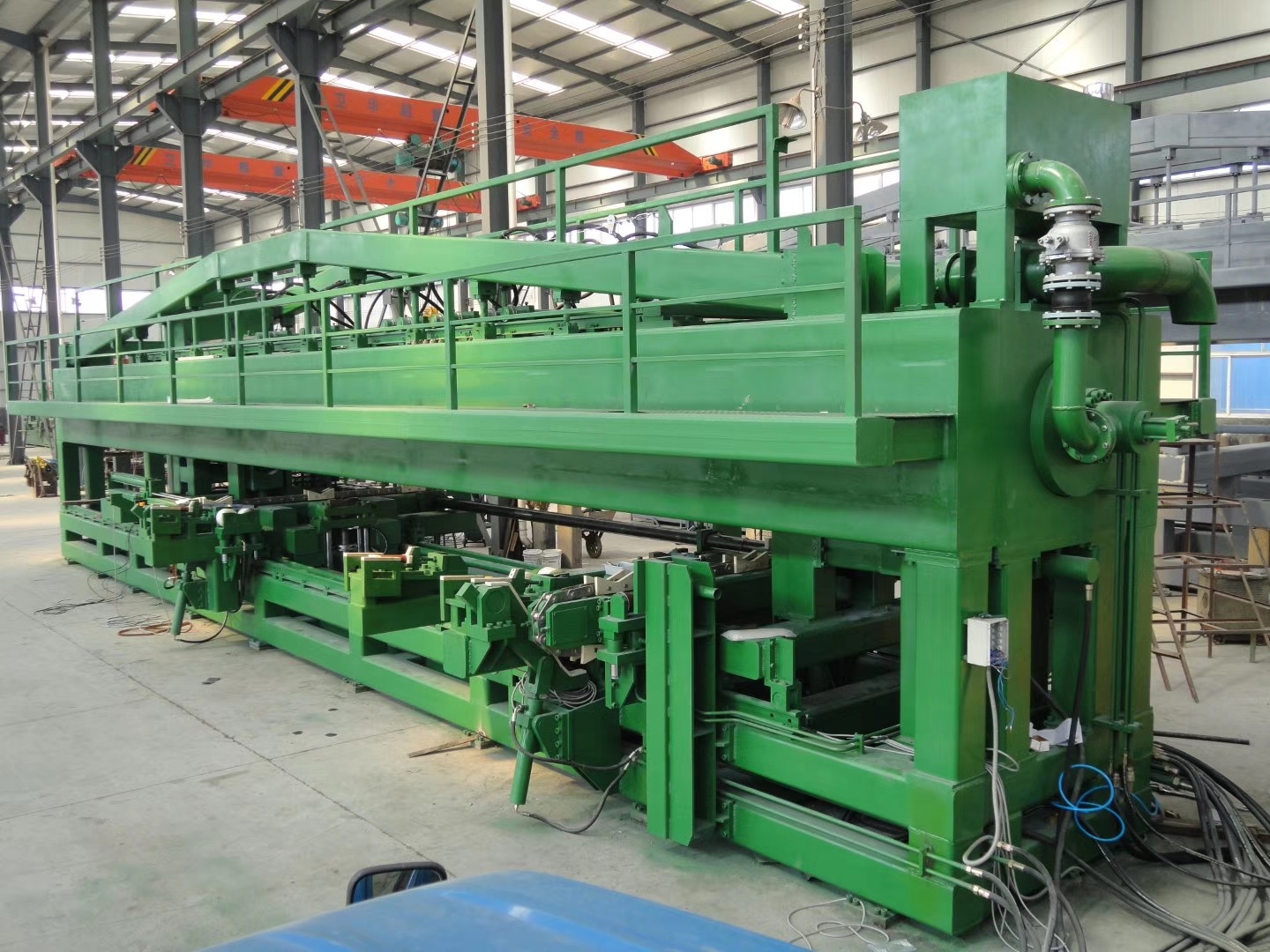
To size a Pipe Hydro Testing Machine correctly, manufacturers need to calculate the required inspection rate and compare it with the machine’s complete cycle time, including pipe handling, filling, pressurization, pressure holding, and unloading.
1. Calculate the Required Inspection Rate
Start with the number of pipes that must pass inspection during the available production time.
[
text{Required rate}=frac{text{Target output}}{text{Available production hours}}
]
For example, a line producing 480 pipes in an eight-hour shift requires an average inspection rate of 60 pipes per hour, equivalent to one pipe every 60 seconds. This calculation assumes that the target output refers to pipes requiring inspection during that shift.
The required rate must be compared with the machine's sustained operating capacity, rather than a quoted minimum cycle time.
2. Calculate the Complete Testing Cycle
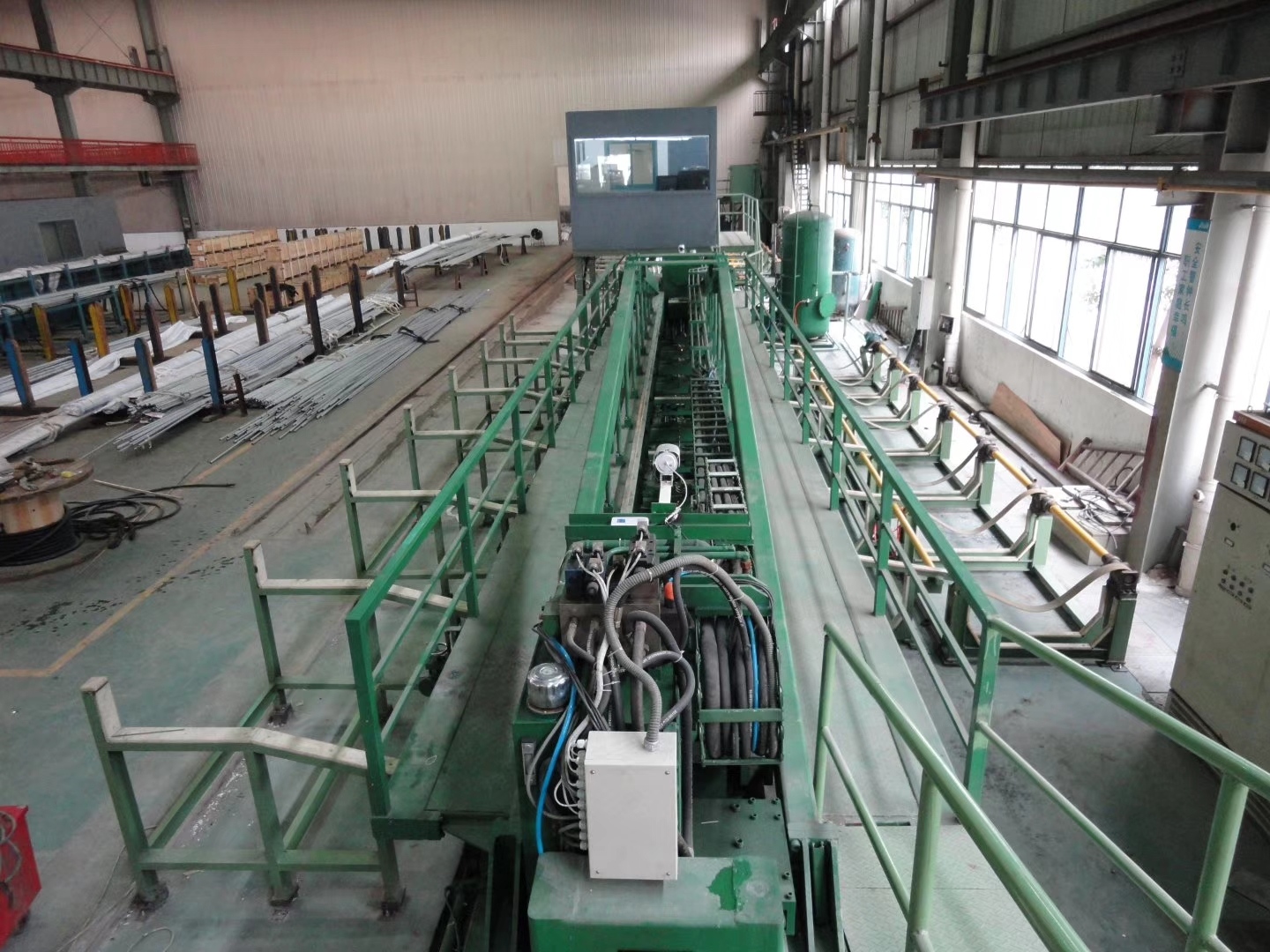
The effective cycle of a Pipe Hydrotest Machine includes more than pressurization and pressure holding. Depending on the equipment design, the cycle may include loading, pipe positioning, end sealing, water filling, air venting, pressurization, pressure holding, depressurization, draining, seal release, and unloading.
| Cycle element | Capacity-planning consideration |
|---|---|
| Loading and positioning | Pipe length, transfer distance, alignment, and handling method |
| Sealing and preparation | End-head movement, seal engagement, and size adjustment |
| Filling and venting | Pipe internal volume, filling arrangement, and air removal |
| Pressurization and holding | Required test pressure, pressure ramp, and specified hold time |
| Depressurization and release | Controlled pressure release, draining requirements, and seal disengagement |
| Unloading and transfer | Discharge method and readiness for the next pipe |
The machine cycle should be based on the actual sequence and any overlapping operations. For example, an automated loading system may prepare the next pipe while another pipe is being tested, provided the machine layout and safety controls allow it.
Adding every operation time together can overestimate the cycle when tasks overlap. Using only the pressure-holding time will underestimate it.
3. Convert Cycle Time into Usable Capacity
For a single testing position that processes one pipe per completed cycle:
[
text{Theoretical capacity}=frac{3600}{text{Cycle time in seconds}}
]
Theoretical capacity assumes continuous operation without interruptions. Actual output is lower when the line experiences routine stops, changeovers, maintenance, or handling delays.
Consider an illustrative machine with a 45-second complete cycle:
| Metric | Illustrative result |
|---|---|
| Complete cycle time | 45 seconds |
| Theoretical capacity | 80 pipes/hour |
| Assumed operating availability | 80% |
| Estimated sustained capacity | 64 pipes/hour |
The 80% availability is an example, not a standard allowance or a performance claim for any specific machine. The actual value should be measured from production records.
In this example, a requirement of 60 pipes per hour leaves only a small operating margin. If actual availability falls below 75%, the machine would not sustain the target rate under the same assumptions. A design review should therefore examine the causes of lost time before deciding whether a faster cycle, parallel testing positions, or improved material handling is needed.
4. Account for Pipe Size and Product Mix
A production line rarely runs one pipe size under identical conditions all day. Diameter, wall thickness, length, internal volume, test pressure, and end preparation can all affect the testing sequence.
A Pipe Hydrotest Machine handling large-diameter or long pipes may require more filling time than one testing smaller pipes. Different end dimensions may also require adjustments to sealing components or positioning.
Capacity should therefore be calculated by product group rather than using a single average cycle for every pipe.
| Production condition | Potential effect on capacity | Design or planning response |
|---|---|---|
| Larger internal pipe volume | Longer filling and venting time | Evaluate filling capacity and venting arrangement |
| Higher specified test pressure | May increase pressurization time | Check the pressure system against the required cycle |
| Multiple diameters | Additional positioning or sealing adjustments | Assess the required size range and changeover method |
| Mixed pipe lengths | Different handling and transfer times | Review support, loading, and discharge arrangements |
| Frequent product changes | More non-testing time | Group production by size where practical or reduce changeover work |
These effects depend on the actual machine configuration and test procedure. They should be verified during engineering rather than converted into fixed time allowances without evidence.
5. Decide Whether One Testing Position Is Enough
If the sustained capacity of one testing position is below the required production rate, there are several options: shorten avoidable handling delays, automate suitable loading and unloading tasks, improve changeover arrangements, or introduce parallel testing positions.
Parallel positions are not automatically the best solution. The upstream conveyor, pipe transfer system, water supply, high-pressure system, operator access, and downstream handling must all support the increased rate. A faster testing station will not increase total line output if another process remains the bottleneck.
For a multi-position system, capacity depends on how the positions operate. If they process pipes independently and each completes one pipe per cycle, their individual sustained capacities may be added, subject to shared-system limits and coordination delays. If the positions share a sequential process, the longest constrained stage may determine throughput instead.
6. Specify a Customized Pipe Testing Machine Around Production Needs
Before selecting a Pipe Testing Machine, manufacturers should provide the supplier with the target hourly or shift output, pipe diameter and length ranges, wall thickness range, test pressure requirements, required holding time, product mix, and available operating hours.
The supplier can then evaluate the complete cycle, material-handling arrangement, pressure-system requirements, changeover method, and whether one or more testing positions are appropriate.
A customized Hydro Testing Machine for Pipe should be designed around the customer's actual production conditions. The goal is not simply to achieve the shortest possible test cycle. It is to maintain the required inspection rate while meeting the specified test procedure, operating safely, and avoiding unnecessary equipment capacity.
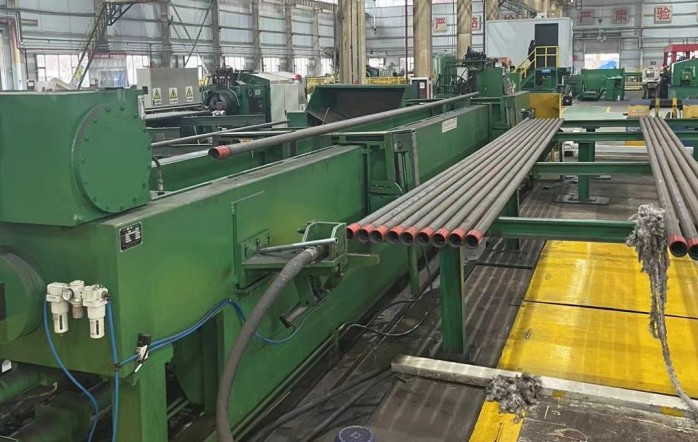
Engineering conclusion: Match the machine's verified sustained capacity to the production line's required inspection rate, with a justified allowance for normal interruptions and product changes. Confirm the result through cycle-time estimates, equipment design review, and production trials where available.
Wuxi Marley Machinery Technology Co., Ltd. supplies customized steel pipe testing equipment based on customer requirements.
Email: eli@marleytechs.com
WhatsApp: +86-13291236678
Tel: +86-510-88799981