


The ASME Boiler and Pressure Vessel Code (BPVC) standard that applies to boiler hydrostatic testing depends on the boiler's classification and construction requirements. ASME BPVC Section I covers power boilers, while Section IV covers heating boilers. Their respective hydrostatic test requirements are addressed in PG-99 and HG-510.
ASME Section VIII Division 1 applies to pressure vessels, not automatically to boilers. Section B31.1 may apply to associated power piping, but it does not replace the boiler construction code. For boiler manufacturers, identifying the correct construction code is the first step in determining the required test pressure, inspection procedure, and specifications for a Boiler Hydrostatic Test Machine.
1. Which ASME BPVC Section Applies to Different Boiler Types?
The applicable section is determined primarily by the equipment's design classification and intended service, not simply by its operating pressure or physical appearance.
| ASME standard | Equipment covered | Relevance to hydrostatic testing |
|---|---|---|
| BPVC Section I | Power boilers and specified high-temperature water boilers | Main construction code for power boiler hydrostatic testing; see PG-99 |
| BPVC Section IV | Steam heating boilers, hot water heating boilers, and hot water supply boilers within its scope | Construction and hydrostatic test requirements; see HG-510 |
| BPVC Section VIII, Division 1 | Pressure vessels | Applies when a separate pressure vessel is involved; hydrostatic testing is addressed in UG-99 |
| ASME B31.1 | Power piping, including applicable boiler external piping | Covers piping requirements, including applicable pressure testing; does not replace Section I for the boiler itself |
| NBIC | Inspection, repair, and alteration of boilers and pressure-retaining items in service | Relevant to applicable in-service inspection, repair, and alteration activities, rather than the original construction test of a new boiler |
ASME officially distinguishes Section I power boilers, Section IV heating boilers, and Section VIII pressure vessels as separate code categories. The equipment's actual classification must therefore be confirmed before selecting a test procedure.
2. Which ASME Clauses Cover Boiler Hydrostatic Testing?
Two clauses are particularly important for manufacturers building boilers under ASME Section I and Section IV.
ASME Section I – PG-99: Hydrostatic Pressure Tests
PG-99 establishes the hydrostatic testing requirements for completed boilers constructed under Section I.
The general procedure under PG-99.1 requires the initial test pressure to be at least 1.5 times the MAWP shown on the applicable Data Report, subject to the code's stress limitation. PG-99.2 addresses the subsequent examination stage, during which the pressure may be reduced to the applicable MAWP.
PG-99 also addresses special boiler configurations, pressure gauges, and hydrostatic head. The general 1.5 factor should not be applied without checking the relevant provisions and design conditions.
ASME Section IV – HG-510: Hydrostatic Tests
HG-510 addresses hydrostatic testing for heating boilers constructed under Section IV. Its requirements are separate from the Section I PG-99 provisions.
The National Board of Boiler and Pressure Vessel Inspectors specifically discusses the different test-pressure limits in Section I PG-99 and Section IV HG-510. This is one reason boiler classification must be established before determining the test procedure.
3. What Other Standards May Be Relevant to Boiler Testing?
Not every ASME section that appears in a boiler manufacturer's code documentation determines the hydrostatic test pressure. Some standards support other parts of manufacturing and inspection.
| Standard | Main purpose | Relationship to hydrostatic testing |
|---|---|---|
| ASME Section II | Material specifications and material properties | Supports material selection and strength calculations |
| ASME Section V | Nondestructive examination methods | Covers specified NDE methods, not the general boiler hydrostatic test pressure |
| ASME Section IX | Welding, brazing, and fusing qualifications | Establishes qualification requirements for applicable welding procedures and personnel |
| ASME Section XIII | Rules for overpressure protection | Relevant to pressure-relief device requirements, not a substitute for PG-99 or HG-510 |
These standards may form part of the overall boiler manufacturing and quality system, but they should not be described as the primary hydrostatic testing rules.
For example, Section IX governs welding qualifications, while PG-99 establishes the hydrostatic test requirements for Section I power boilers. Passing welding qualification requirements does not, by itself, establish that the completed boiler has passed its hydrostatic test.
4. How Do These ASME Standards Affect Boiler Hydrostatic Test Machine Selection?
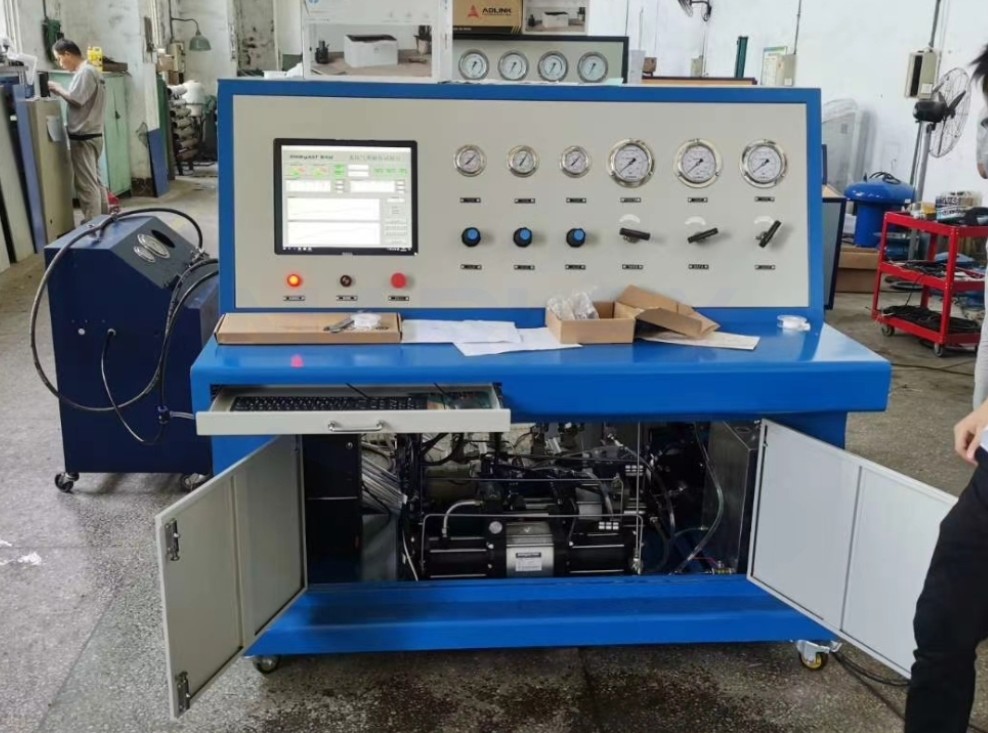
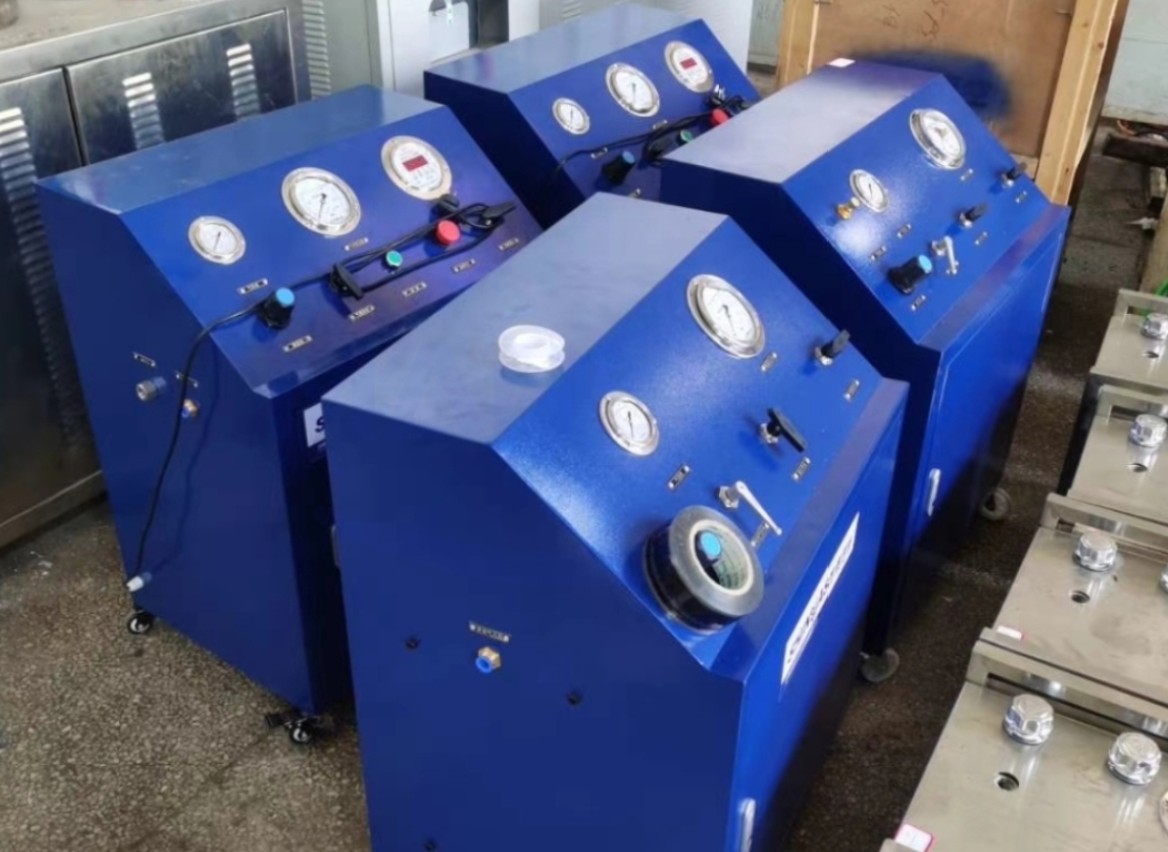
For boiler manufacturers, the applicable construction code determines the test requirements that the equipment must support. A Boiler Hydrostatic Test Machine should therefore be configured according to the boiler's classification, approved test pressure, pressure-part volume, and production requirements.
The following technical inputs should be confirmed before equipment design:
| Equipment design input | Why it matters |
|---|---|
| Applicable code and edition | Determines the governing test requirements and inspection procedure |
| Required test pressure | Establishes the pressure capability required from the pumping and control system |
| Boiler water volume | Affects filling capacity and pressure build-up time |
| Pressure measurement points | Determines gauge and sensor arrangement, including hydrostatic head considerations |
| Pressure-holding and inspection stages | Influences control logic and the operating sequence |
| Component pressure ratings | Ensures pumps, valves, pipes, fittings, and connections are suitable for the test conditions |
The pressure rating of the pump alone does not establish that the complete testing system is suitable. All pressure-containing components must be rated for their intended service conditions. The system also needs appropriate pressure measurement, controlled pressurization, and overpressure protection.
For customized boiler hydrostatic testing equipment, the boiler manufacturer's actual product range and approved test procedure should be reviewed before determining the machine configuration.
ASME BPVC Section I and Section IV are the primary construction-code references for power boilers and heating boilers, respectively. PG-99 and HG-510 contain their respective hydrostatic testing provisions. Section VIII applies to pressure vessels, while B31.1 may govern associated power piping within its scope.
For boiler manufacturers purchasing hydrostatic testing equipment, the correct ASME classification and applicable test clauses provide the starting point for defining machine pressure capability, instrumentation, and test sequence. The final equipment specification should be based on the actual boiler design and approved testing requirements.