


The standards for pipe testing machine depend on the pipe type, intended application, and testing stage. For steel pipes tested during manufacturing, commonly referenced specifications include API Spec 5L for line pipe, API Spec 5CT for casing and tubing, ASTM A53/A53M for carbon steel pipe, and ASTM A312/A312M for stainless steel pipe. EN 10216 and EN 10217 cover seamless and welded steel tubes for pressure purposes.
For installed piping systems, different requirements apply. ASME B31.3 and ASME B31.1 address pressure testing of completed process and power piping systems, respectively. A pipe mill hydrostatic test and a field piping-system pressure test serve different purposes and should not be treated as interchangeable.
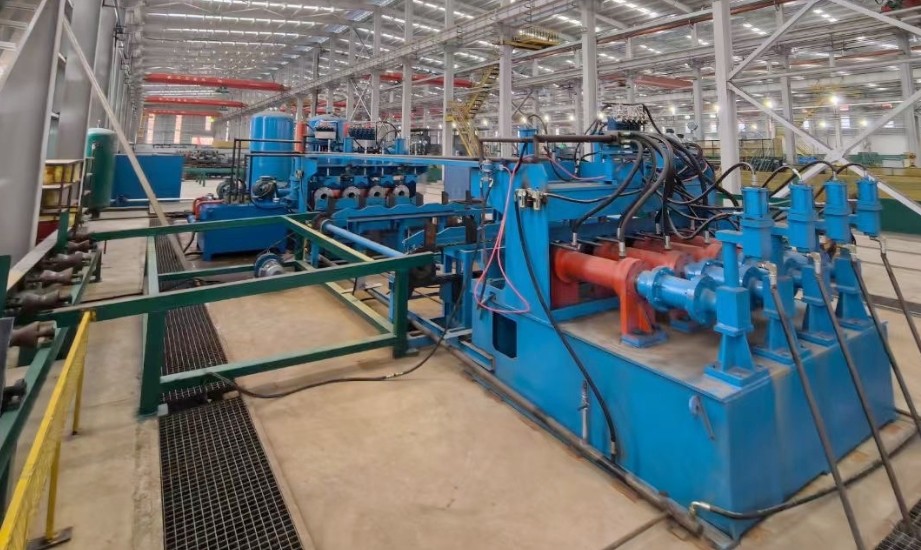
1. Which Standards Apply to Steel Pipe Testing Machine?
The applicable product specification determines the manufacturing and inspection requirements for each pipe. The main standards encountered in steel pipe production include:
| Standard | Main application | Relevance to hydrostatic testing |
|---|---|---|
| API Spec 5L | Seamless and welded steel line pipe | Specifies manufacturing, inspection, and testing requirements for pipeline transportation pipe |
| API Spec 5CT | Casing and tubing for oil and gas wells | Defines technical delivery and applicable inspection and testing requirements for OCTG |
| ASTM A53/A53M | Seamless and welded carbon steel pipe | Includes hydrostatic testing requirements for the pipe body and weld seam |
| ASTM A312/A312M | Austenitic stainless steel pipe | Allows the applicable hydrostatic or nondestructive electric test provisions |
| ISO 3183 | Steel line pipe for petroleum and natural gas pipeline transportation | Specifies manufacturing and delivery requirements for line pipe |
| EN 10216 / EN 10217 | Seamless and welded steel tubes for pressure purposes | Relevant parts specify leak-tightness testing requirements and permitted test options |
These standards are not interchangeable. For example, API Spec 5L applies to line pipe, whereas API Spec 5CT covers casing and tubing. ASTM A53/A53M and ASTM A312/A312M also have different material and product scopes.
The exact hydrostatic test requirements depend on the applicable standard edition, product grade, dimensions, supplementary requirements, and purchase order. Some specifications permit alternative nondestructive testing methods under defined conditions, so hydrostatic testing should not automatically be assumed to be mandatory for every product.
2. What Is the Difference Between Mill Testing and Field Piping Testing?
The most important distinction is whether the test is performed on an individual pipe during manufacturing or on an assembled piping system after installation.
| Testing stage | Relevant standards | Main purpose |
|---|---|---|
| Pipe mill hydrostatic testing | API, ASTM, ISO or EN product specifications | Verify the pressure-tightness requirements of individual manufactured pipes |
| Installed process piping | ASME B31.3 | Test completed process piping systems |
| Installed power piping | ASME B31.1 | Test applicable completed power piping systems |
A pipe that passes its factory hydrostatic test under API Spec 5L does not automatically establish that the installed pipeline is acceptable. Field welds, fittings, valves, flanges, and other connections introduce additional pressure-boundary requirements.
Likewise, a successful field pressure test does not replace the manufacturing inspection and testing required by the pipe product specification.
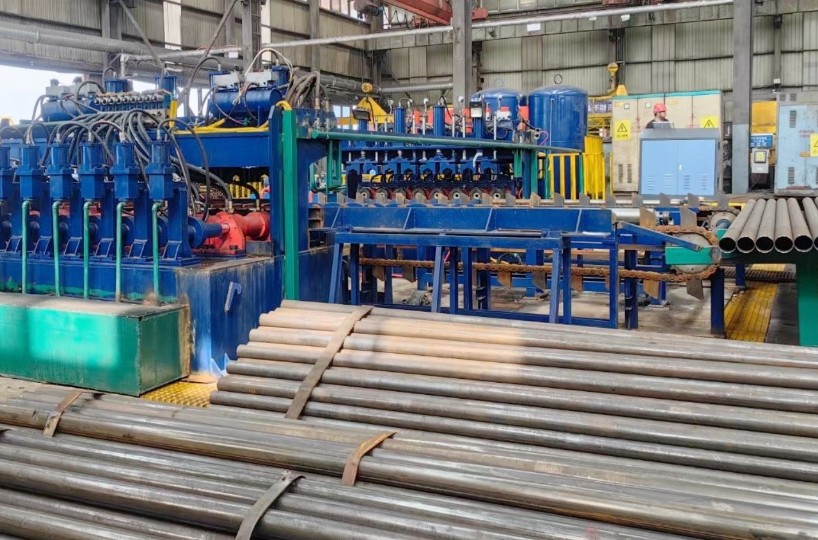
3. How Do These Standards AffectPipe Testing Machine Selection?
For a steel pipe manufacturer, the applicable product specification is an essential input when configuring a pipe testing machine. The machine must support the actual test requirements across the manufacturer's pipe range.
Four factors are particularly important:
-
Test pressure: The pump and high-pressure circuit must achieve the specified pressure within their rated operating limits.
-
Pipe dimensions: Outside diameter, wall thickness, and pipe length affect sealing arrangements, supports, and machine configuration.
-
Pressure control and sealing: The system must maintain the required pressure without leakage at the pipe ends and provide suitable pressure measurement.
-
Production requirements: Testing frequency, loading and unloading, product changeover, and required test records influence the equipment arrangement.
A machine should not be selected solely by its maximum pressure rating. Its sealing structure, pressure-control system, and handling arrangement must also match the manufacturer's product specifications and production conditions.
In summary: API, ASTM, ISO, and EN product specifications govern the relevant manufacturing requirements for individual steel pipes, while ASME B31.3 and B31.1 address applicable installed piping systems. Identifying the correct testing stage and product standard is the starting point for determining the requirements of a pipe testing machine process.